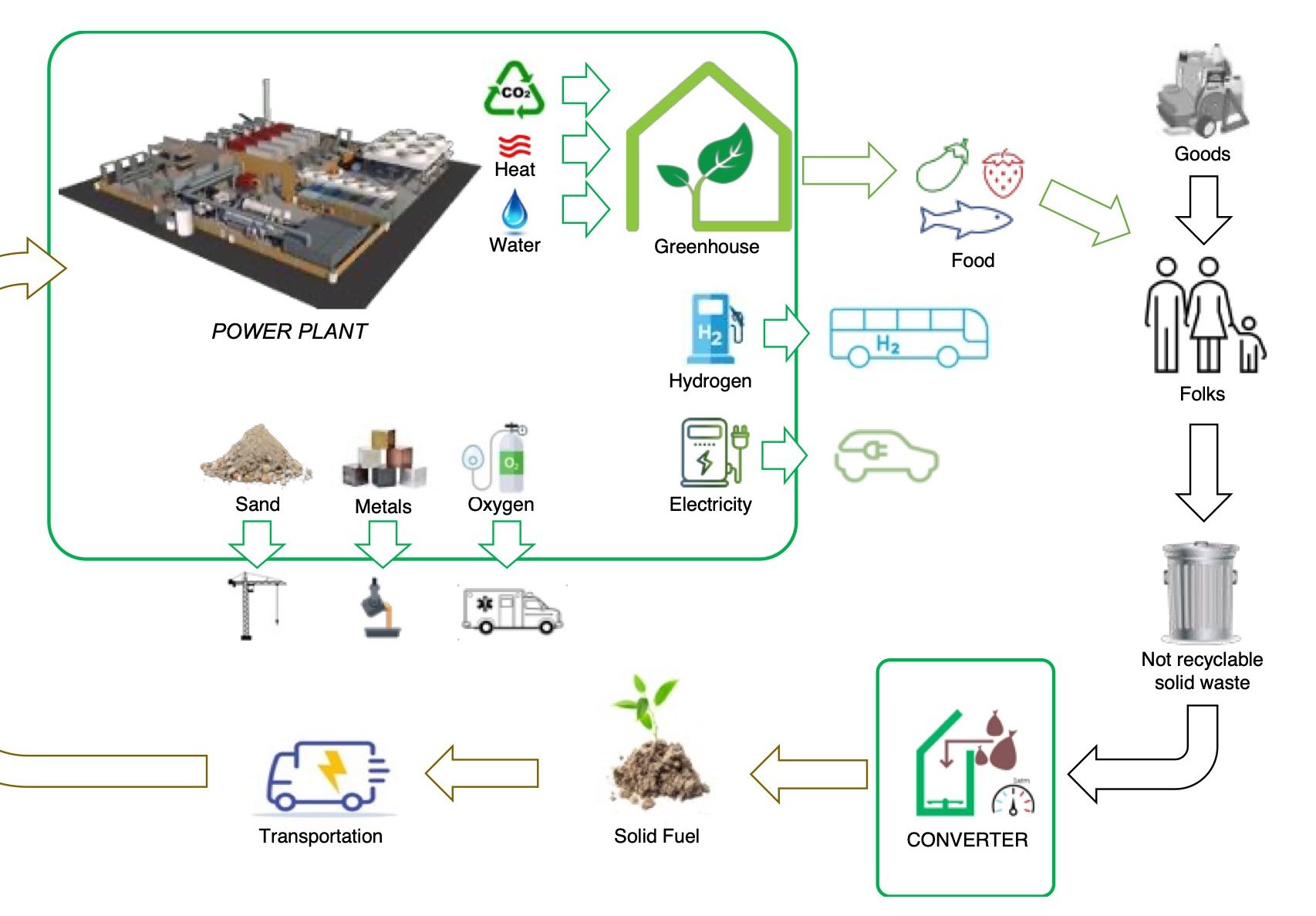
Hexagon Technology Ltd designs plants that leave nothing to landfill. For a correctional facility the chain is short and entirely internal: waste from cells, kitchens, offices and the infirmary enters the CONVERTER®, which in half an hour sterilizes it and reduces it to a dry, odourless fuel; that fuel feeds a custom-sized SMOX module, which oxidizes it without flame and returns heat for the boilers and electricity. What remains is an inert white ash.
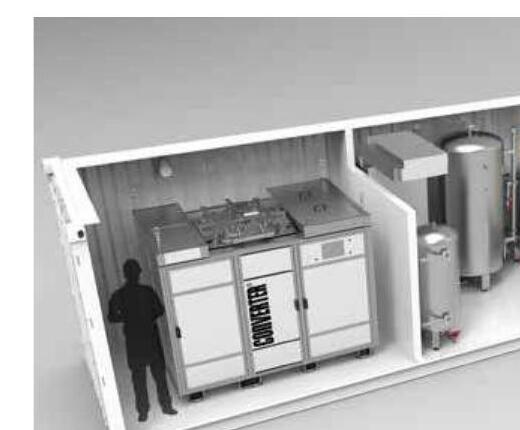
Closed chamber in slight depression, 30-minute cycle, −80% volume: municipal and medical waste treated on site, no sorting.
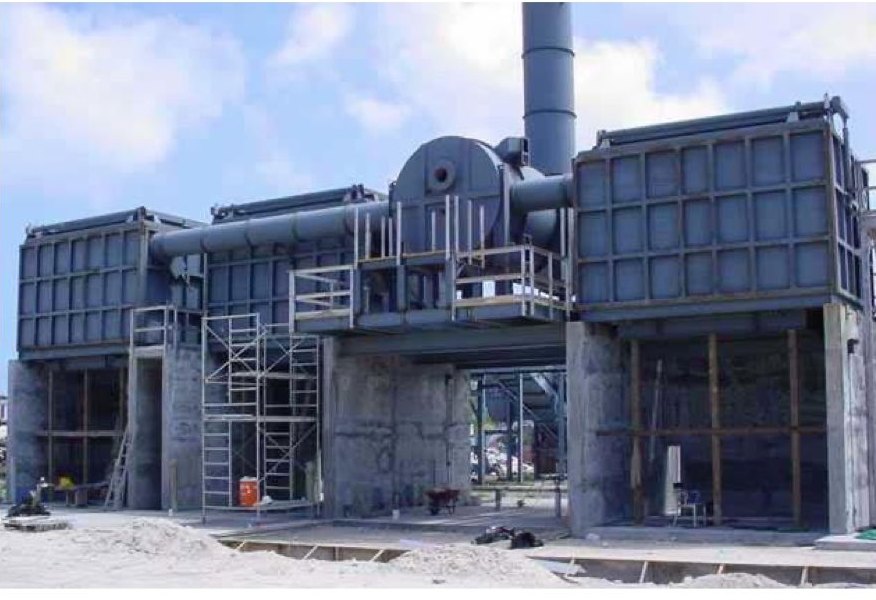
Slow flameless oxidation and gas combustion at 1000 °C: about 80% of the waste's energy recovered, emissions far below EU limits.
Hexagon integrates the two machines, the heat recovery to domestic hot water and the generator: sizes from about 1 tonne a day upwards.
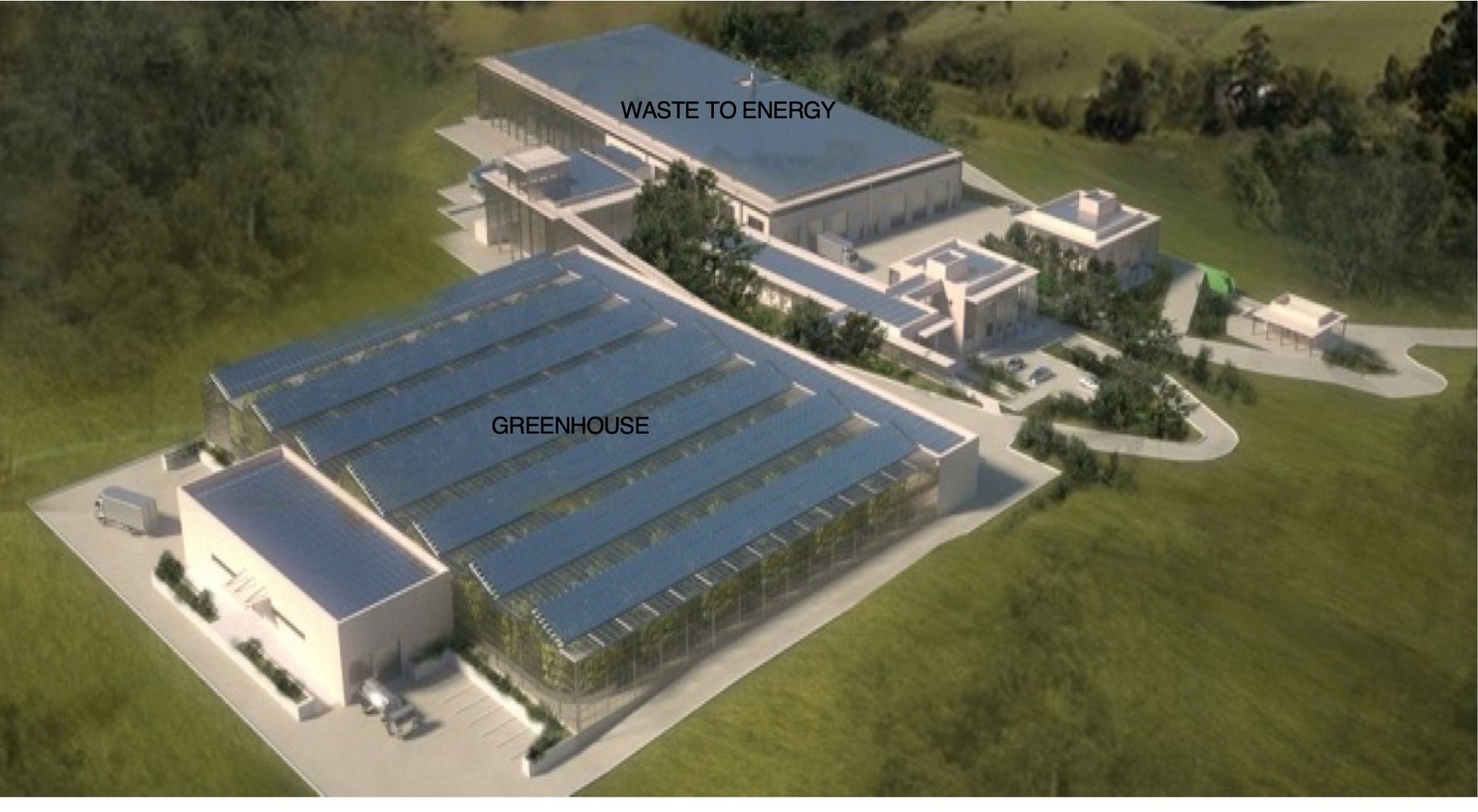
The 40 °C heat, the CO₂ and the plant's water feed a controlled-atmosphere greenhouse: vegetables for the kitchens, grown by the inmates.
Every vehicle in and out is a gate: contraband coming in, escape attempts going out. With on-site treatment, the garbage truck disappears from the perimeter — fewer inspections, fewer staff tied up at the gates, less risk.
Converter and SMOX work in closed chambers in slight depression: no dust, no odours in the yards, the cells or towards the neighbours. The final residue is an inert ash, not a waste.
The infirmary produces infectious waste that today travels with dedicated, costly transport. The CONVERTER® H range sterilizes it directly in the facility, as already in hospitals; SMOX recovers its energy.
The plant runs with few people and no special licence: ideal for work and re-entry programmes — a skill that can be used outside, in the growing environmental and energy sector.
California mandates organic-waste diversion (SB 1383) and zero-waste targets for public facilities: the Hexagon chain turns the obligation into a measurable result — zero landfill and avoided CO₂.
SMOX heat pre-heats the domestic hot-water boilers — showers, kitchens and laundry for thousands of people, every day — and, in cogeneration, produces electricity for the facility. Energy that is paid for and thrown away today is produced inside the walls tomorrow.
Fewer pick-ups, less transport, fewer landfill fees (among the highest in America, precisely in California and the Bay Area) and less purchased energy. The Converter arrives in a container, ready; the SMOX module is sized to the facility.
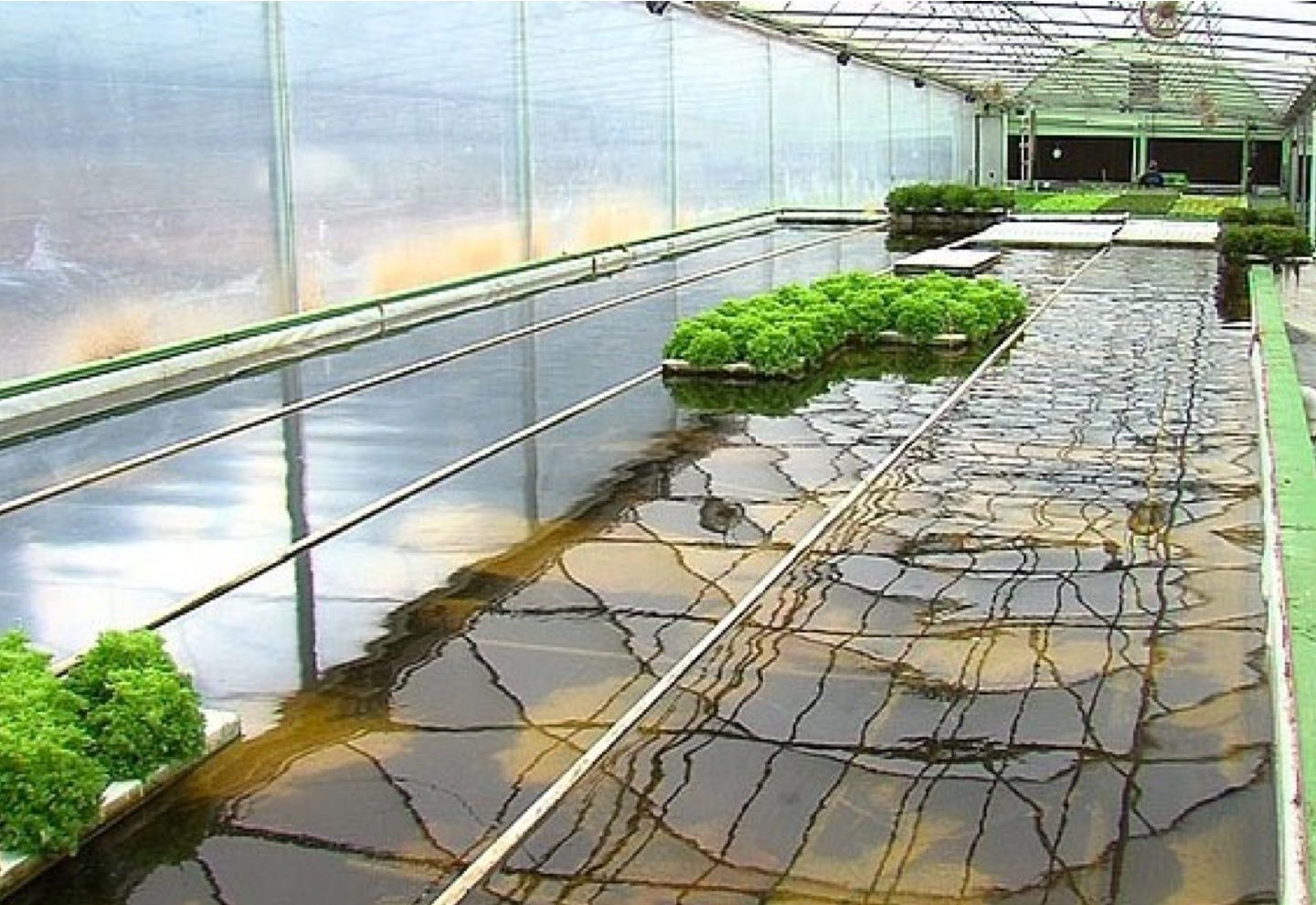
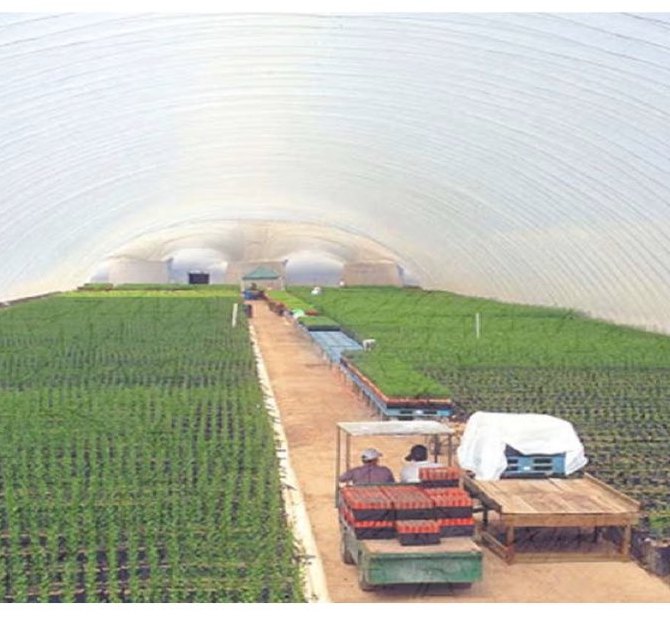
The residual 40 °C heat, the CO₂ from combustion and the recovered water are exactly what a controlled-atmosphere greenhouse needs. Inmates run it and grow their own food: tomatoes, lettuce and vegetables for the kitchens all year round, a real trade and less food bought outside.
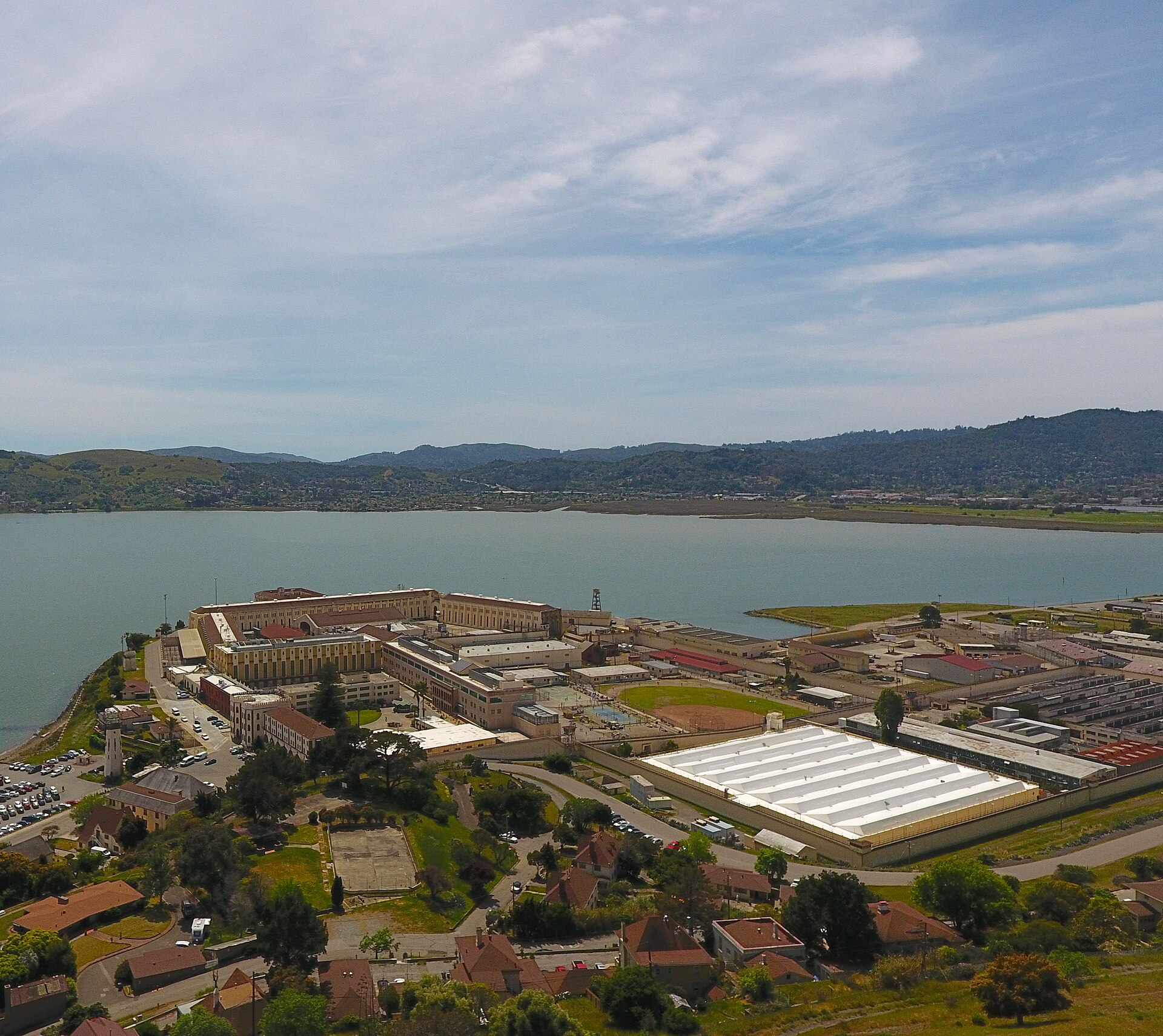
California's oldest prison (1852), on San Francisco Bay, today at the centre of the largest transformation of the American correctional system: the California Model, remaking San Quentin as a rehabilitation centre. We use it here as a demonstration example: this is what the Hexagon chain could do in a facility of this size.
| Population served | ~3,400 inmates + staff ≈ 4,500–5,000 people/day |
| Estimated waste generation | 1.2–1.6 kg per person per day ≈ 5–8 tonnes/day (meals, cells, offices, maintenance) |
| Proposed configuration | 1 × CONVERTER® MOB40 PLUS (two 400 L chambers in a 40' container, 200–300 kg/h) + 1 × CONVERTER® H200 for the infirmary + 1 × custom SMOX module (5–10 t/day) with heat recovery and generator |
| Energy in the waste | ≈ 3.6 kWh per kg of municipal waste ≈ 18–29 MWh/day of energy content |
| SMOX recovery (≈ 80%) | ≈ 14–23 MWh thermal per day — the equivalent of the hot-water needs of thousands of showers, the kitchens and the laundry |
| In cogeneration | ≈ 3.5–5.8 MWh electric per day (150–240 kW continuous average) + 10–17 MWh thermal at 40 °C for domestic hot water |
| Residue | inert, carbon-free white ash with metals separated: zero landfill |
| Installation | Converter in a stand-alone container; SMOX module in the service area, connected to the existing heating plant |
| Operation | 2–4 operators per shift — an ideal candidate for residents' work programmes |
| The greenhouse | 40 °C heat, CO₂ and water from the plant → controlled-atmosphere greenhouse, indicatively 3,000–5,000 m²: vegetables for the kitchens, grown by inmates in work programmes |
It is Hexagon's circular-economy model applied to a closed community. The plant produces the three things a greenhouse asks for: low-temperature heat (the 40 °C leaving the cogeneration unit), carbon dioxide (which plants turn into growth) and water. A controlled-atmosphere greenhouse, heated and fertilized by the plant, grows vegetables all year round regardless of the climate. Inmates run it: an agricultural training programme, a trade to use on release, and fresh vegetables in the facility's kitchens instead of those bought outside.


The loop closes inside the walls: today's waste is tomorrow's hot water, light and food. No trucks out, no landfill, a more self-sufficient facility — and a rehabilitation programme with a concrete meaning.


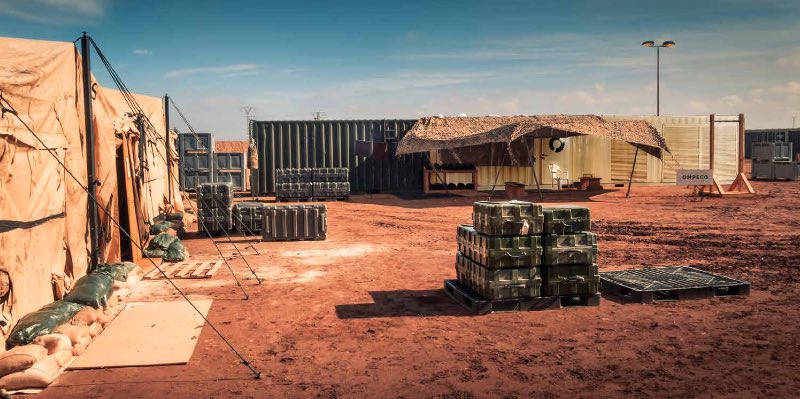
The same Converter units already in service in military bases and camps in 25 countries — NATO code NCAGE AH649, ISO 9001/14001 and RINA certifications — and the SMOX technology with INDDIGO's TRL opinion and design to Directive 2010/75/EU: credentials federal administrations know how to read.