Active glacier preservation. First site: Aosta Valley. Horizon: the mountains of the world.
For twenty years we have measured how much ice we lose every summer. Save the Glaciers brings to the glacier an Italian technology designed to slow its melting: measurable, reversible, respectful of the mountain.
The melt season under way is among the most severe ever observed in the Alps. The “Glacier Loss Day”, the day glaciers run out of the winter's snow, arrived this year at the start of summer, with months of heat still ahead. Thawing permafrost is destabilising the high faces.
Without intervention, the trajectory is the progressive collapse of glaciers below 3,500 metres. Protecting them is not only an environmental duty: it defends economic, water and social value for the mountains and the plains below.
A water reserve for aqueducts, farming and industry: glaciers regulate the summer flows of entire basins once the snow is gone.
Alpine hydropower depends on glacial run-off: in the Aosta Valley it is the backbone of regional electricity.
Glaciers and high mountains are the capital of Alpine tourism, summer and winter: guides, huts, lifts, the valley economy.
Degrading glaciers and permafrost cause rockfalls, debris flows and unstable lakes. Protecting the ice reduces risk downstream.
With the ice, high-altitude habitats, fauna and flora disappear, together with the climate archive every glacier holds.

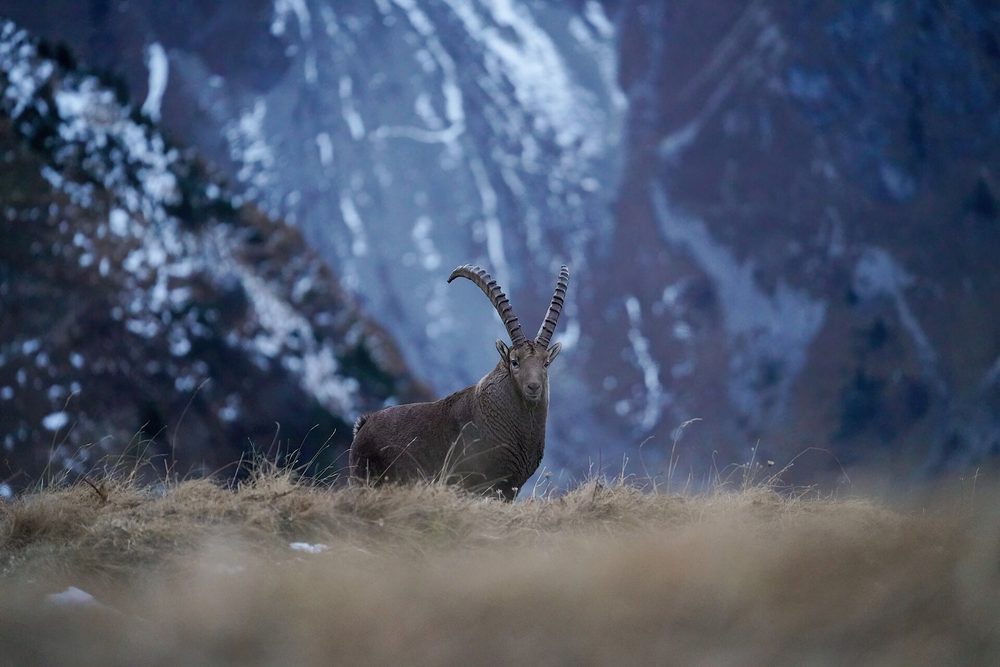
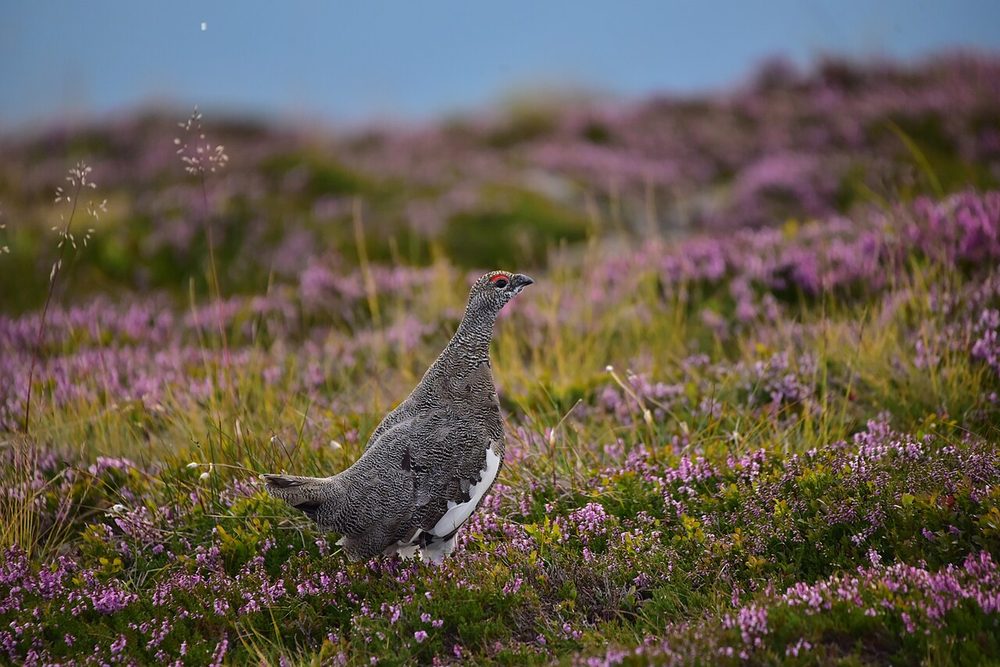
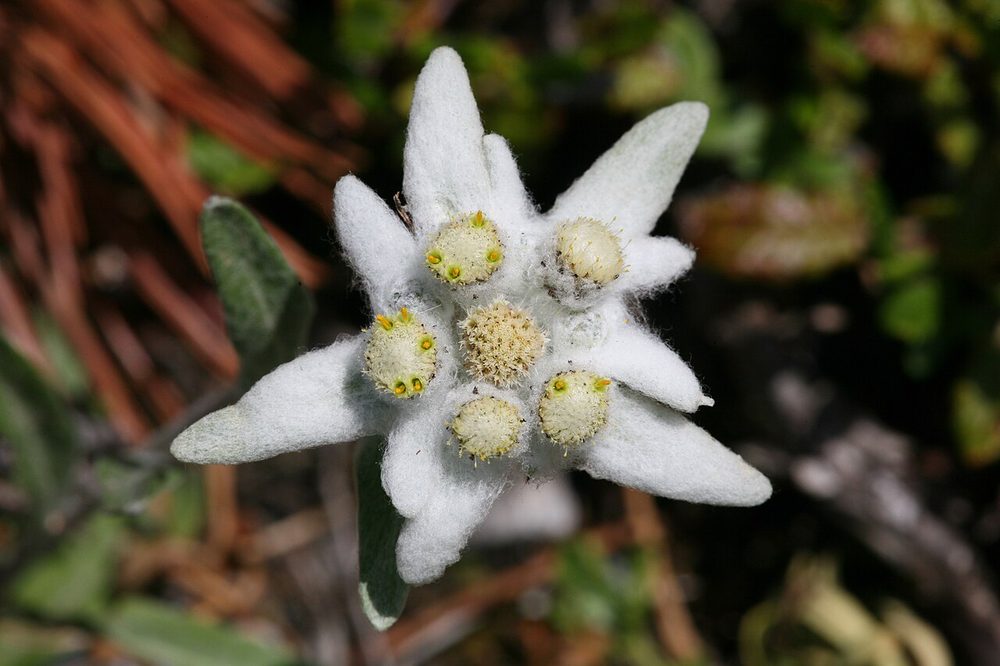
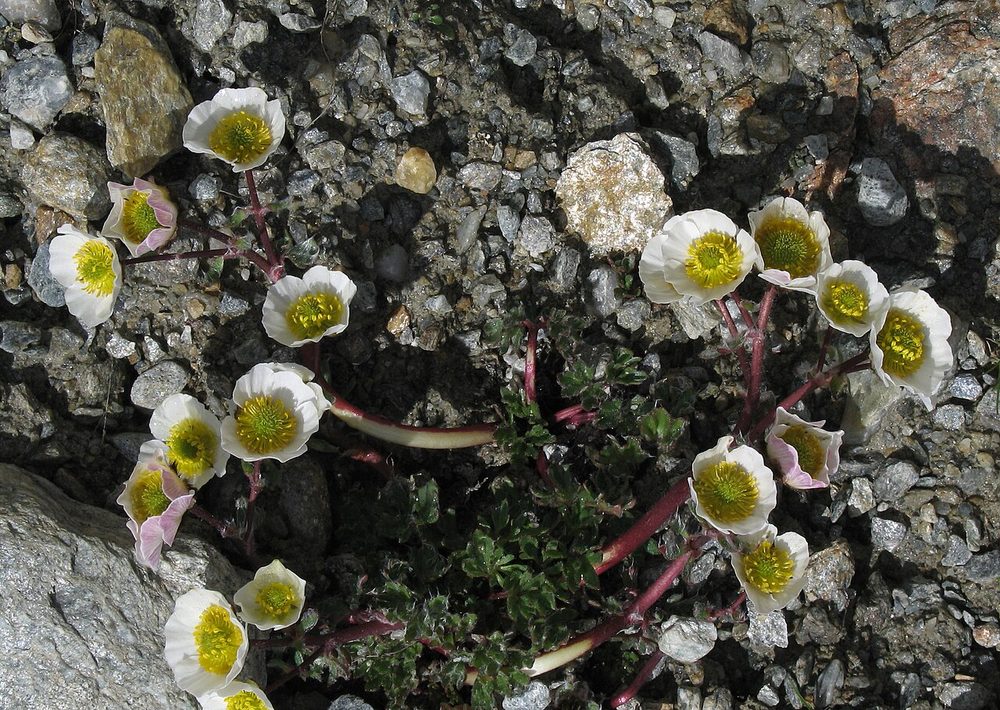
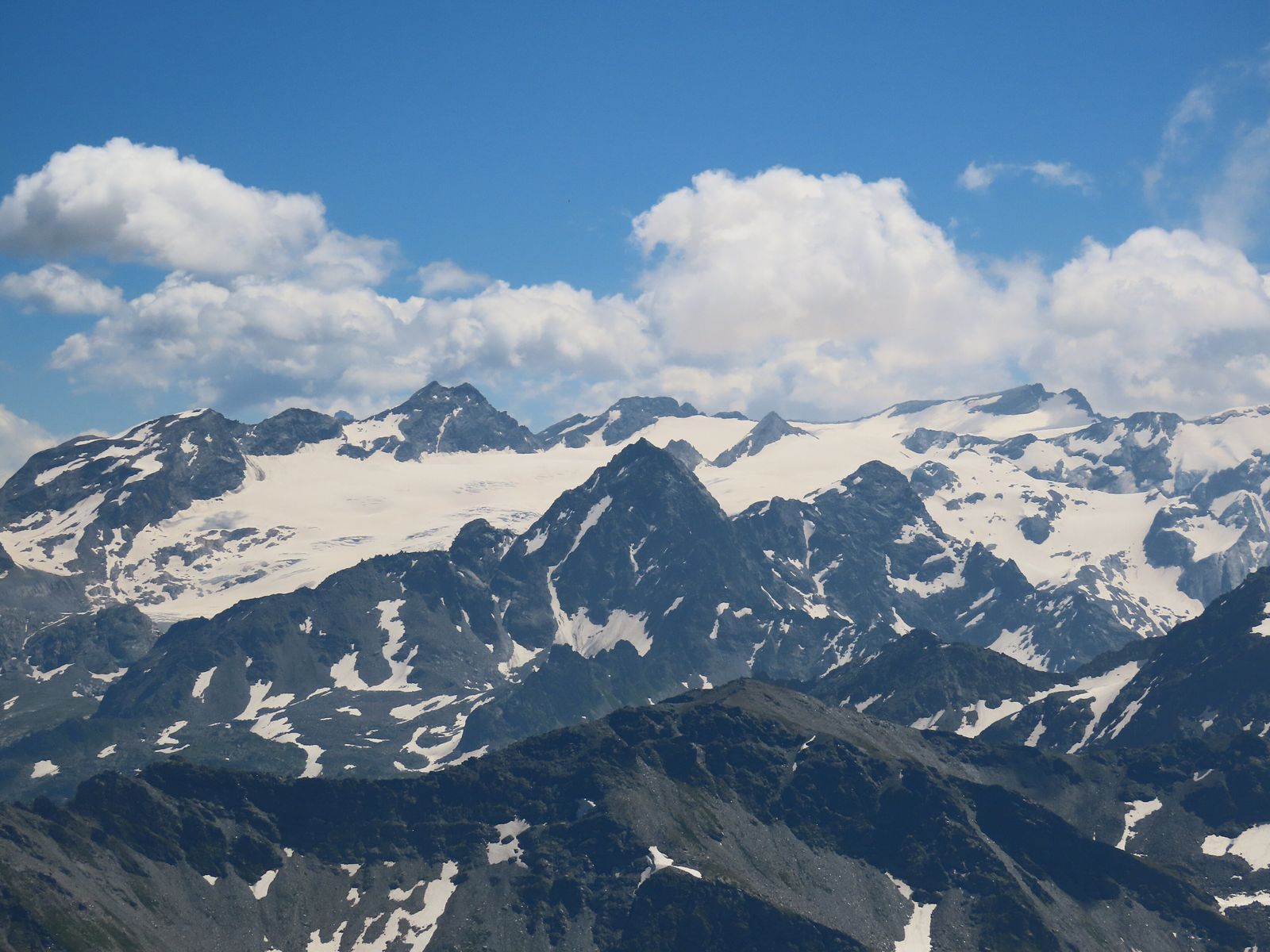
The Plateau Rosa glacier and the high-altitude ecosystem that lives with it. The ibex is the programme's emblem: it endures where everything else gives up.


Glacier covering has been an experimental reality for twenty years: on the Presena glacier, geotextile sheets have cut summer melt by roughly half every year since 2008. The limit is not the physics, it is the material: generic industrial sheets, heavy, short-lived, shedding microplastics, with installation costs that prevent scale.
Save the Glaciers starts here: a multilayer system designed for the glacier, based on TI-SKIN® technology and developed in partnership with Syndego Italia.
High albedo: sends solar radiation back to the atmosphere, with no harm to fauna, flora or air traffic.
Resistance to wind, tension and handling at altitude.
A microporous layer that blocks heat towards the ice and creates the conditions for condensation.
A controlled air chamber: the insulating contribution demonstrated by Alpine studies.
A passive, self-contained system that promotes the solidification of moisture: ice not only protected, but regenerated.
A controlled trial on the Plateau Rosa glacier above Breuil-Cervinia, for a full melt season: covered areas in different configurations next to an uncovered control area, automatic stations, daily surveys, drones.
Only one result counts: the reduction in melt compared with the control area. A number that third parties can verify. Industrialisation goes ahead only if performance, safety and logistics exceed the thresholds agreed with the scientific partners.
Material characterisation: albedo, emissivity, conductivity, UV, freeze-thaw.
Comparison of several configurations on a controlled ice surface.
Module production, permits, logistics and safety plan.
Installation of the pilot area and continuous monitoring through the melt season.
Melt data, costs, life cycle: the technical dossier for industrialisation.
Nobody experiments lightly on a glacier. Every risk has a countermeasure designed in from the start.
Zero- or minimum-release materials, protective coatings, full recovery of the system and inventory control at season's end.
Reflected wavelengths safe for wildlife, ecotoxicological tests and observation of effects with the scientific partners.
Full life-cycle assessment: multi-season reuse of modules, material recycling, nothing left behind at altitude.
Installation and removal with mountain guides and specialised teams, drone support, weather windows and dedicated procedures.
Trial data are open to institutional partners and publishable: the programme is judged on numbers, not announcements.
International Year of Glaciers' Preservation, proclaimed by the United Nations General Assembly, which established World Day for Glaciers on 21 March and opened the Decade of Action for Cryospheric Sciences 2025–2034.
A challenge shared by every Alpine region, in Italy and in neighbouring countries: whoever develops the solution first leads the cooperation.
The Dolomites have been a World Heritage Site since 2009, glaciers included. The Mont Blanc massif is not yet: Save the Glaciers supports the case for its inscription.
The value is not the material: it is the ice actually preserved. After the demonstration, the programme becomes a multi-year service for those who live from the glacier: ski areas, hydropower basins, mountain communities and regions.
Design, installation, monitoring and measurement, season after season. From the Alps to the mountains of the world: the first European climate-infrastructure company for the cryosphere.
Pure Organica Corp. — selection, coordination and development of the programme.
TI-SKIN®, in partnership with Syndego Italia.
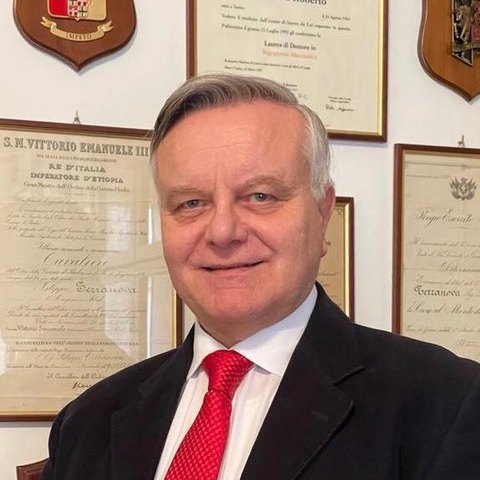
ConfAssociazioni Piedmont and Aosta Valley, with its President, Eng. Roberto Terranova, VP Europe of Pure Organica.
Scientific and industrial partners being formalised: universities, research bodies, Alpine companies.


The unitary representative body of federations, associations, companies and professionals, in Italy and in Europe, is the official partner of Save the Glaciers through its President, Eng. Roberto Terranova, Vice President Europe of Pure Organica. A network rooted in the two Alpine regions where the programme begins, with an institutional dialogue already open with the Autonomous Region of Aosta Valley.
“Man is always master of his own destiny; those who lead institutions and companies have fundamental responsibilities towards the environment. Our group of entrepreneurs has the protection of people and the environment in its DNA: will and technology are our shields.”— Eng. Roberto Terranova, President of ConfAssociazioni Piedmont and Aosta Valley
An anchor investor that gives the programme its name: category exclusivity, third-party-verified environmental data, a seat at the institutional table.
Universities, research bodies and foundations: co-design of the trial, access to data, shared publications.
Regions, public companies, ski areas and Alpine businesses: the programme is born in the Aosta Valley and grows with those who live there.