Transforming Healthcare, the Environment and Infrastructure — with industrial partners in Europe and the United States.

Every product has its own story, its own partner and its own market — but the selection, the development and the signature are always the same. One contact, one house.
From monitoring the decline to the active protection of Alpine glaciers, with TI-SKIN® GLACIERS technology. First site: the Plateau Rosa glacier, Aosta Valley. Official partner: ConfAssociazioni Piedmont and Aosta Valley, with its President Eng. Roberto Terranova.
Discover the programme →We connect the most promising technologies with the partners, distributors and investors who can bring them to market — in high-impact sectors: healthcare, infrastructure, energy, construction, maritime, industry and defense.
Business consulting & development, rete commerciale e ingegnerizzazione of technologies. Camden, Delaware. The direction of the portfolio and its partnerships.
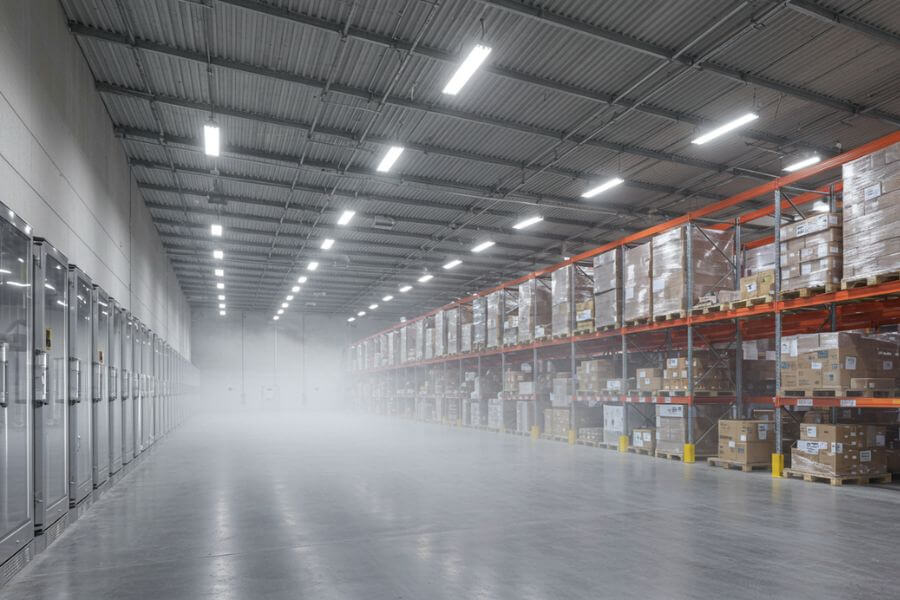
EnigMAT™ technology on the American market: construction, schools, facilities, storage.
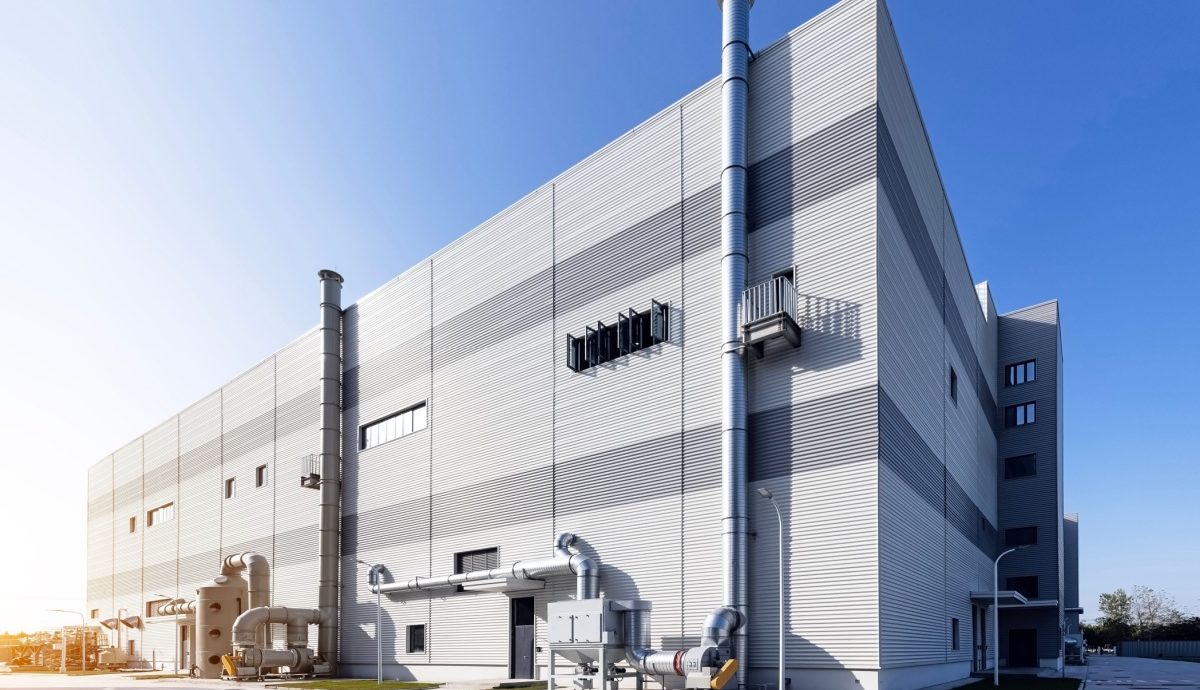
The European home of TI-SKIN®: development, production, projects and worksites. Aosta, Italy.
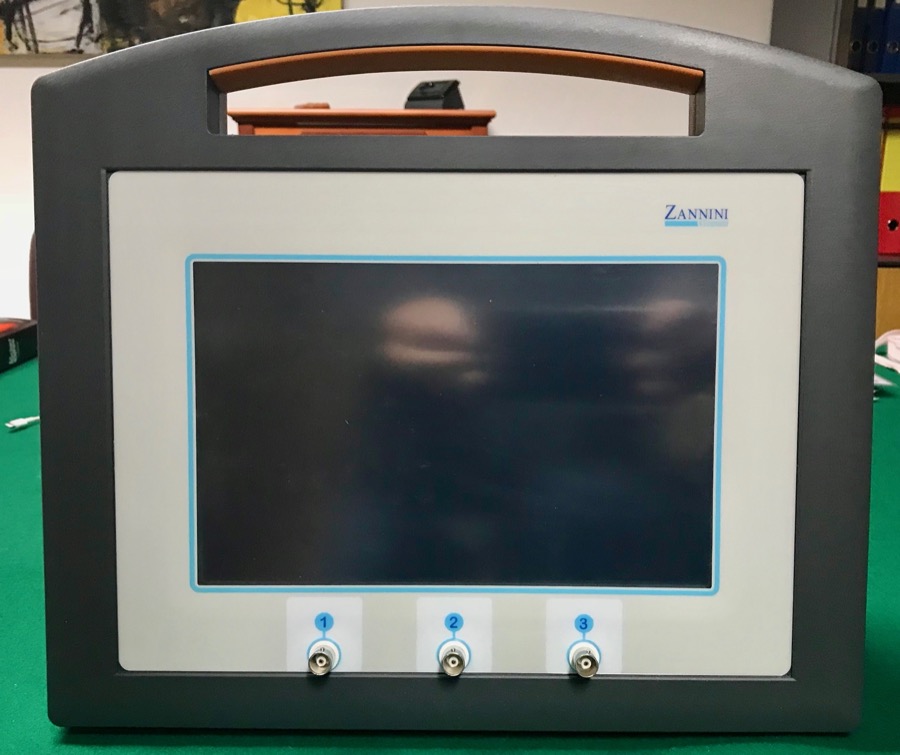
The group's home for electromedical devices: Genesi MED 3, the medical radiofrequency platform. Pisa, Italy.
Waste-treatment engineering: SMOX and CONVERTER® technologies for zero-landfill energy recovery. Pure Organica partner under a 2026 agreement. London, United Kingdom.


Direct access to our technologies for organizations ready to deploy them: hospitals, hotels, universities, ports, industry. Scalable systems, measurable impact.
It absorbs the heat peak and releases it at night: 40–60% HVAC savings, 50% less water, R-52 equivalent in one centimeter.
Explore TI-SKIN →From waste to energy, on site: lower disposal costs and a smaller carbon footprint, with models for every scale.
Explore OMPECO →Cleaner remediation: non-toxic, REACH compliant, for soils, water and industrial cleaning in every sector.
Explore Active Water →
One centimeter thick, equivalent R-value up to 52. A 97% reflective film around a high-performance mineral core absorbs the peak thermal load and releases it during the night — delivering 40–60% HVAC energy savings with zero maintenance and a 20-year warranty.


Every day, cities and industries bury or burn millions of tons of waste, releasing emissions and discarding valuable materials. OMPECO turns the problem around: it treats waste on site, where it is produced, turning it into energy, materials, water and refuse-derived fuel (RDF) — no combustion, no chemicals, no contamination.
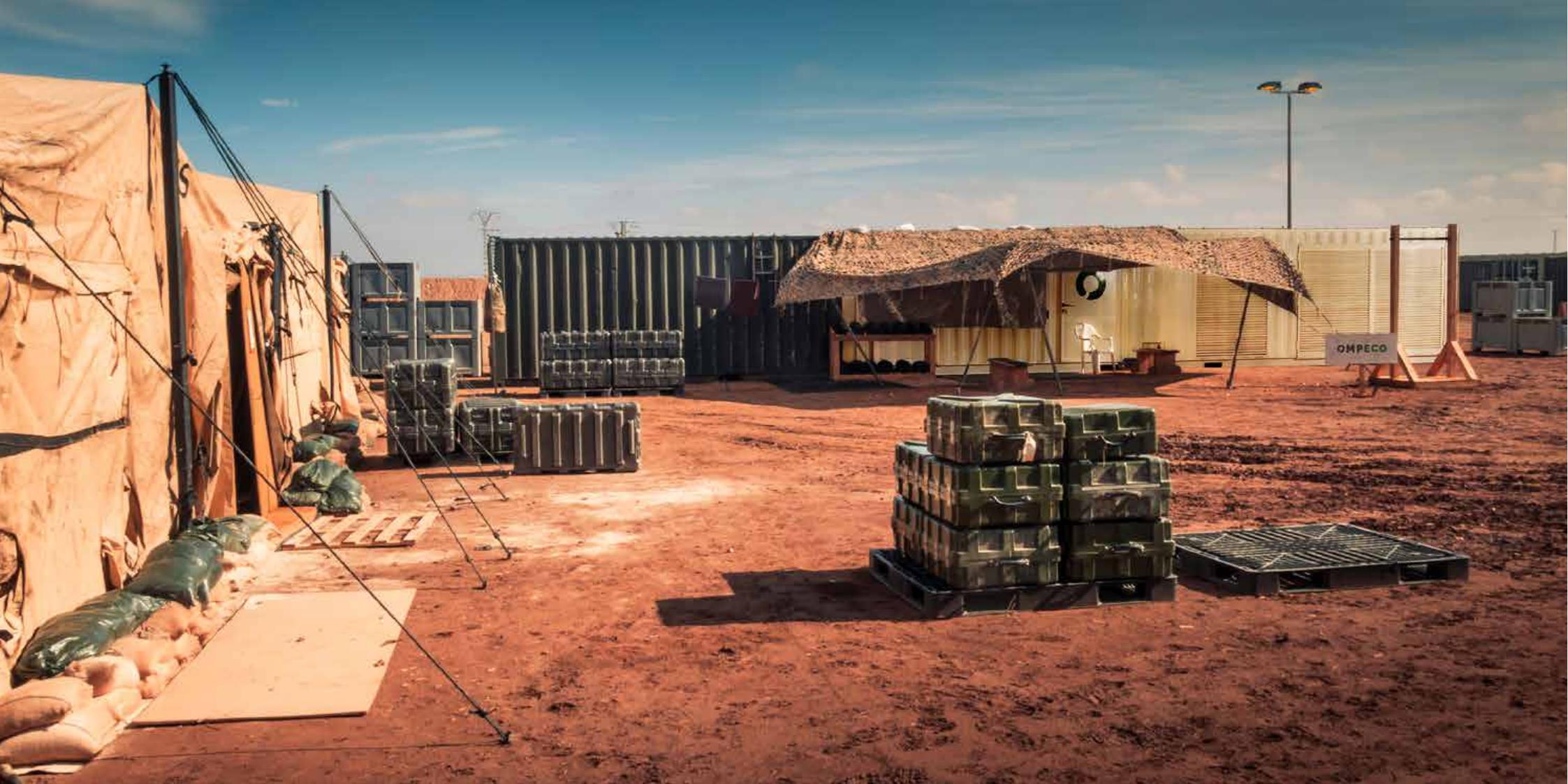
Decentralized treatment eliminates transport and makes hospitals, hotels, airports, ports and military installations self-sufficient.
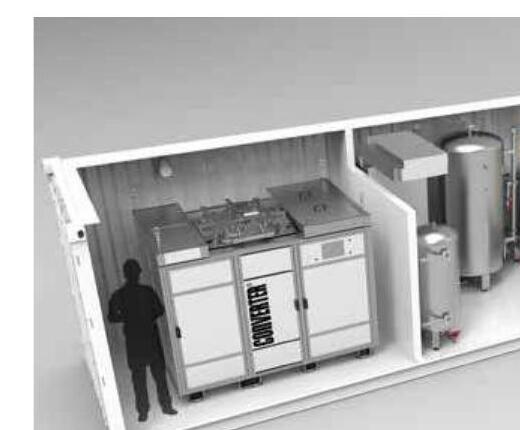


The Converter® reduces volume by 80% and weight by 50% in a half-hour cycle, with low operating, maintenance and labor costs.
Compared with autoclaves and incinerators: dry, recyclable end products, no toxic emissions, zero wastewater and a lower CO₂ impact.
Decentralized conversion into RDF, hydrogen, oxygen and recyclable by-products: no transport, no incineration.
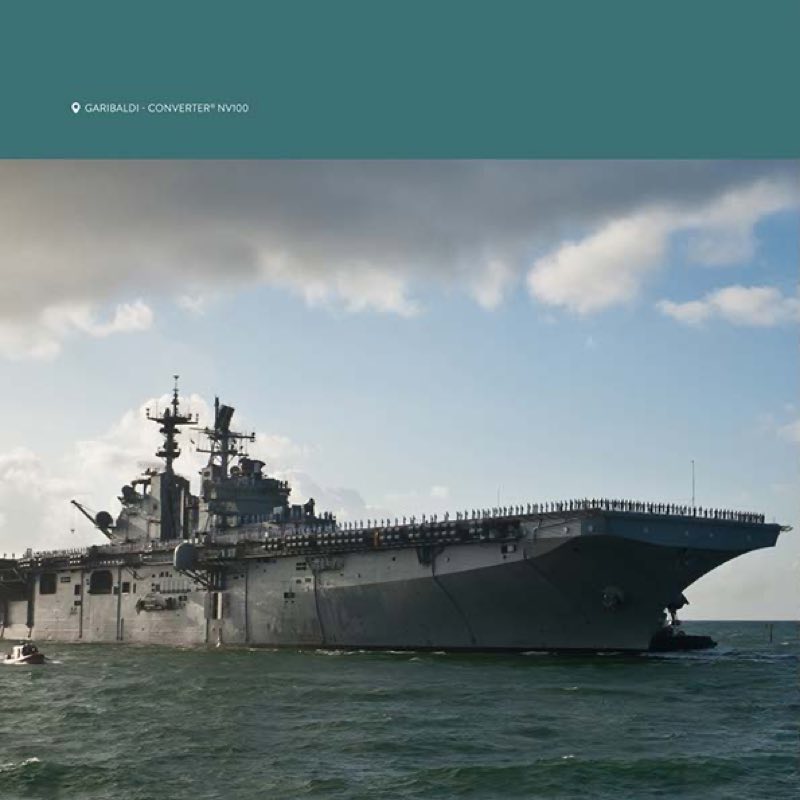
Multiple models for every size: from hospital to ship, from port to military installation.
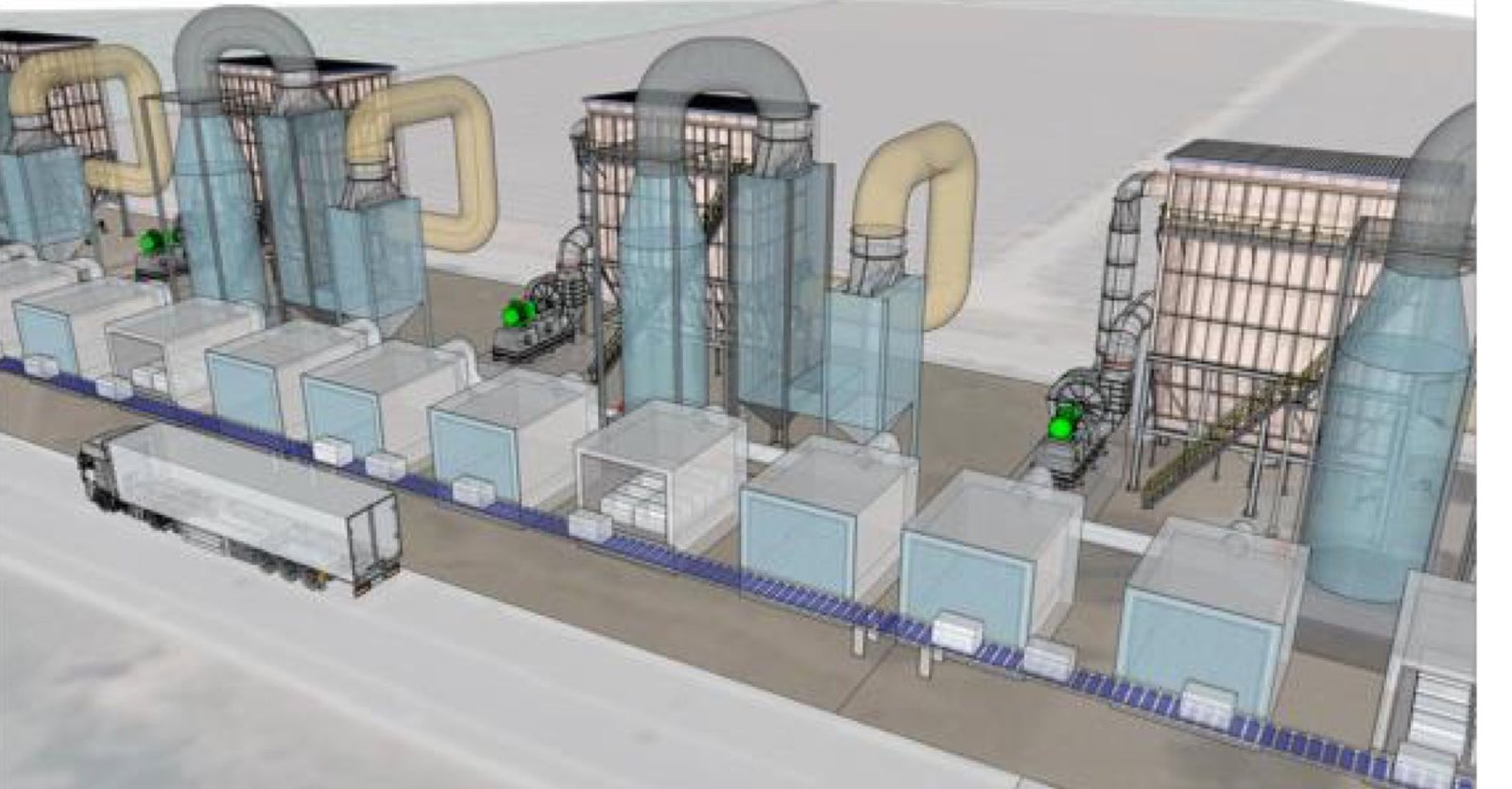
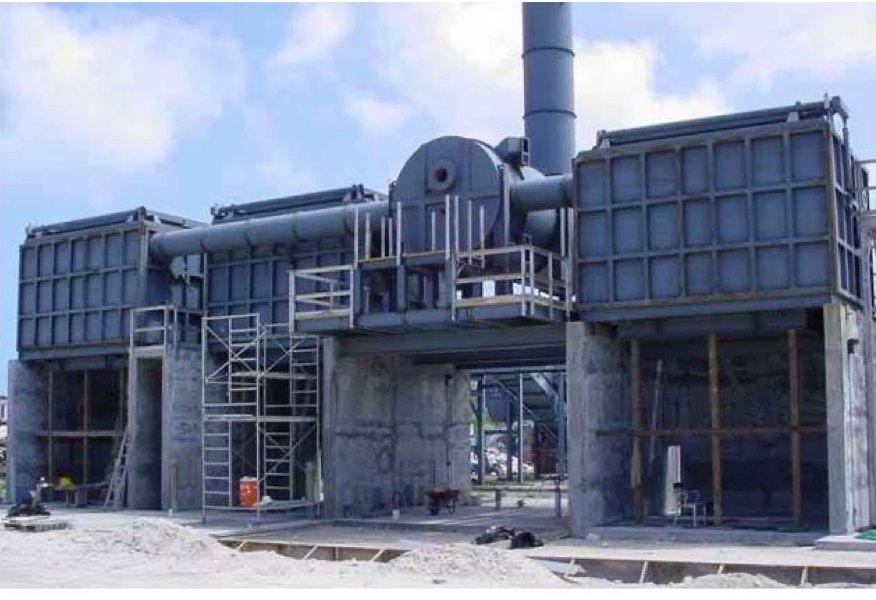
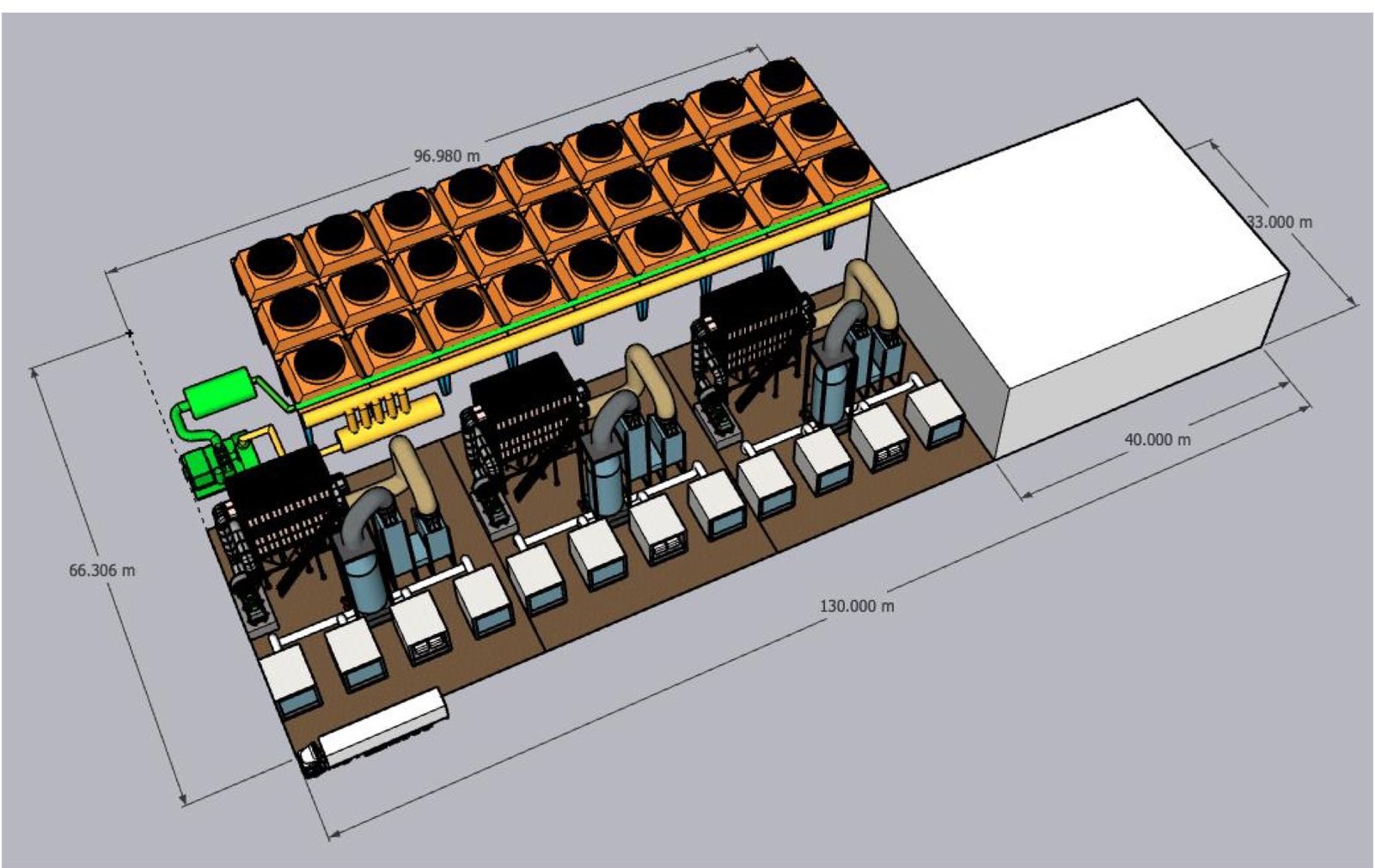
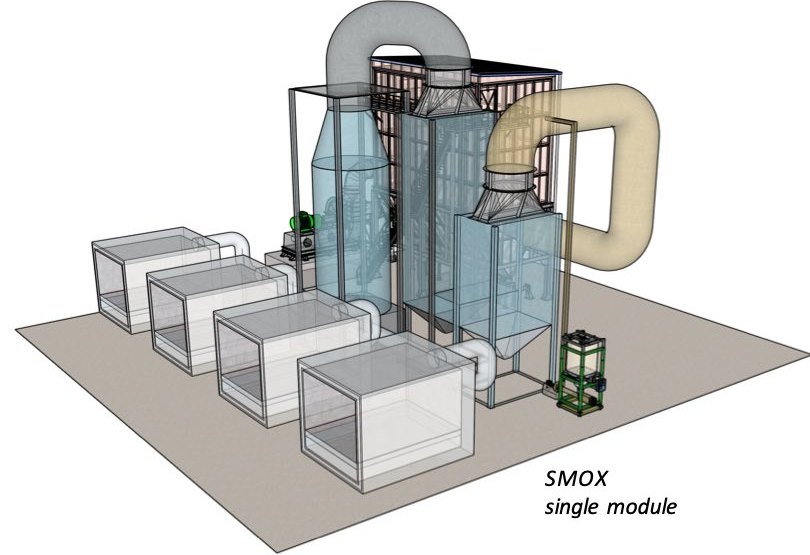
SMOX (Smoldering Oxidation) is Hexagon Technology Ltd's technology for turning municipal solid waste into energy: a slow oxidation in oxygen deficiency at 300–600 °C produces a clean gas, which is then oxidized at 1000 °C to recover the heat. What remains is an inert white ash, carbon-free; metals are separated and recovered.
SMOX is built to size: from about 1 tonne a day — for islands, communities and remote facilities — up to industrial modules of 5 t/h (over 40,000 t/year) delivering 18 MW thermal or 4 MW electric each. Modules add up: a three-module plant treats 110,000 t/year with 12 MW of electric power. No pre-treatment, no process water, a self-sustaining process.


Waste enters as it is: no screening, no homogenization. Once started, the process sustains itself.
Particulate < 0.5 mg/Nm³ (limit 10), NOx < 10 (limit 200), dioxins and furans not detectable: the low-temperature phase prevents their formation.
From the waste: 94% solid fuel, 5.5% metals, 0.5% PVC — 100% recovered. The inert ash is carbon-free.
Designed to Directive 2010/75/EU and the 2019/2010 BAT conclusions; CE-marked equipment, ISO 9001 and 14001, RINA standards.
Cancer causes nearly 10 million deaths a year and diagnoses will grow 77% by 2050 (WHO). Early detection saves lives, but screening remains costly, invasive and unevenly distributed — precisely where the risk is highest.
Oncotech is developing an iris-scan technology for a pre-screening that is affordable and non-invasive, able to identify early indicators of the most common cancers.


AI reads an iris image captured with a smartphone: it identifies early signs of lung, breast, cervical, uterine, prostate and colon cancers — and of type 2 diabetes.
First technology in Europe clinically tested and validated for real-time, on-demand cancer screening.
Lightweight and usable anywhere: from European hospitals to the most remote clinics, with no dedicated infrastructure.
~10 million deaths in 2020 · 35 million diagnoses expected by 2050 · +77% versus 2022 (WHO).
CE mark obtained and clinical validation in Europe; awaiting multi-site clinical data, with expansion toward the US market.
Iris-pattern reading in under half a minute: non-invasive, in real time, anywhere in the world.
Beyond oncology: the same technology identifies indicators of type 2 diabetes and other systemic conditions.
STED · CE Class 1 · MedAidUK — a strategic opportunity in a large unmet-need category.
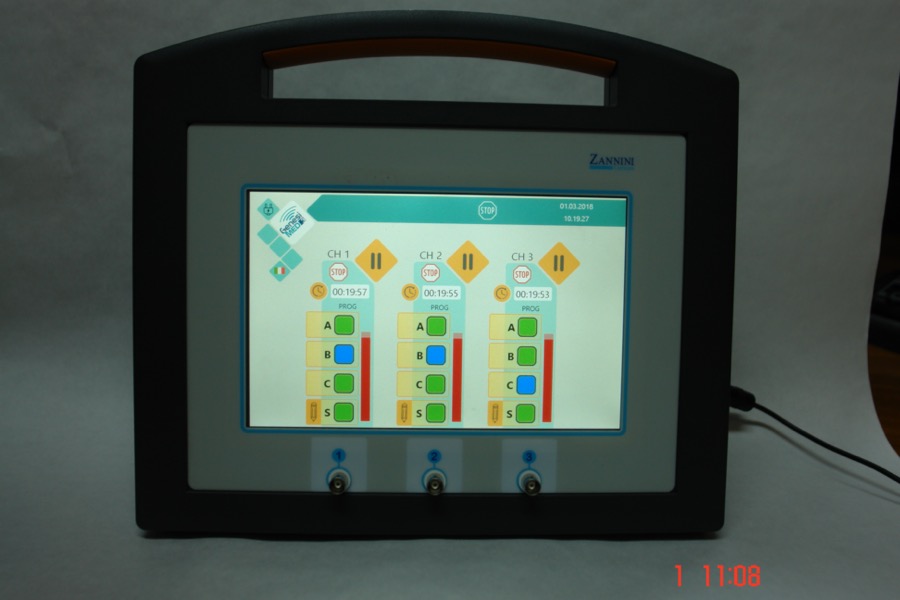
Genesi MED 3 is a multichannel medical radiofrequency generator developed in Italy: three independent channels, dedicated antennas and integrated patient management for therapeutic and rehabilitative applications.
The platform is born from the group's experience in medical devices and keeps its entire technical heritage in-house: design, electronics and application software.


Active Water LMF (Liquid Molecular FragmenterLiquid Molecular Fragmenter ) is a water-based product (98%) that uses molecular fragmentation via micellization
to rapidly biodegrade hydrocarbons: heavy and light, PAHs, BTEX, MTBE, chlorinated solvents, fats and oils. REACH. Ready to use, with no special training or dedicated PPE; it also eliminates odors.


The active ingredients form micelles (microemulsions) that surround and encapsulate the contaminant at molecular level.
The micelles break the contaminant into nano-scaledroplets, removing it forever from air, water and soil.
The micellized contaminant becomes bioavailable to native bacteria: natural degradation accelerates dramatically.
End products: only CO₂ and water. No hazardous by-products, no waste. Range: LMF, AW Cleaning STRONG, H₂S and VOC abatement, tank cleaning, oil spill.
Active Water LMF (the flagship) · AW Cleaning STRONG / MEDIUM / LIGHT · FoodStaff Pro replacing soda and chlorine.
H₂S from 50–70 to <5 ppm in 2–3 hours · hydrocarbons from 100 to <5 mg/L · waste generated: 10 t → 0 t.
REACH (EC) 1907/2006 · non-irritating OECD 439 · non-toxic to algae, daphnia and fish (OECD 201/202/203).
Classification ADR: no special requirements — it travels like an ordinary product.
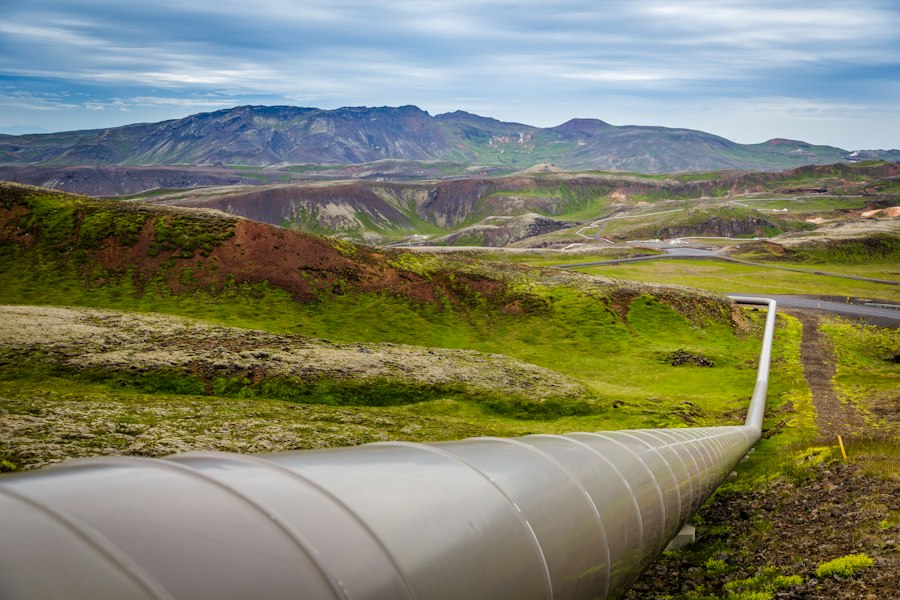
SENTINEL applies piezoelectric sensors to the pipes, ropes and bars of critical infrastructure: vibrations tell the structure's state of health, and the system listens to them continuously, with no invasive contact.
Remote data acquisition enables real-time monitoring: subtle variations in vibration patterns signal changes in structural integrity or performance in advance.


Piezoelectric assemblies fixed to metallic elements: it takes just a few millivolts of excitation to locate defects and stresses in space.
The signals, shaped into clean pulses, feed a radio transmitter toward the remote receiver: remote analysis, in real time.
Sensor arrays cover entire networks: pipelines, bridge and plant ropes, structural bars.
From scheduled maintenance to predictive: variations in vibration patterns warn before failure.
Thermal blankets of the TI-SKIN family laid over cold aisles and racks: they absorb the heat peaks of the servers and release them in the cool hours, cutting chiller workload and protecting equipment during blackouts.